Toss a Dry Towel in With Wet Laundry, Here's Why
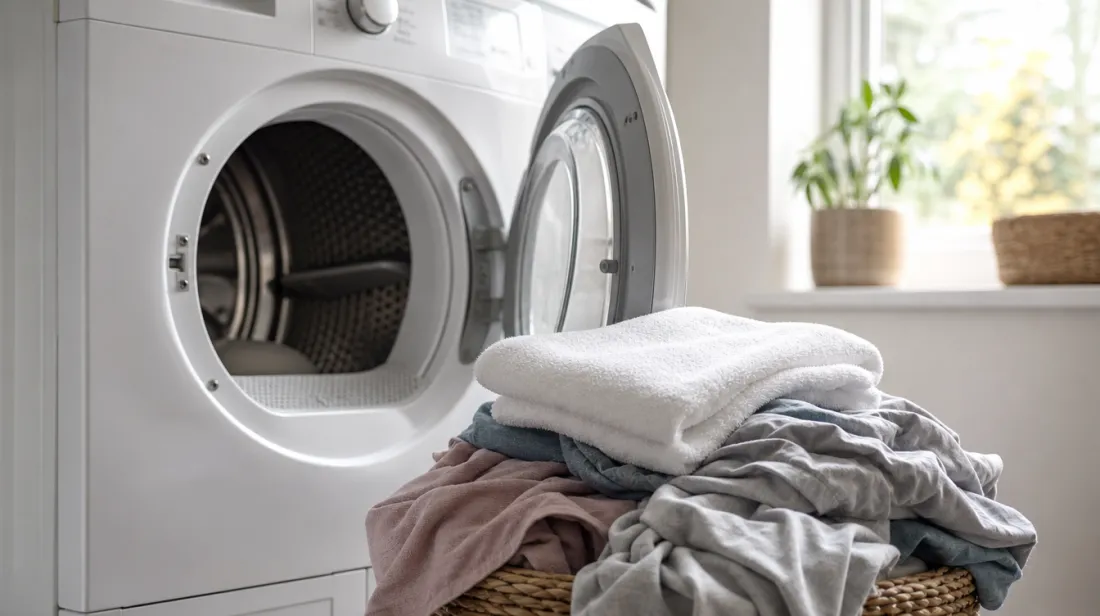
If your dryer seems to take forever no matter what setting you use, the fix might not be the machine at all. It might be what is missing from the load.
Adding one completely dry towel to a load of wet laundry is an old trick that a lot of people have forgotten, and it works better than most people expect.
Here is why it makes such a difference, and how to use it right.
Why It Works
A dryer removes moisture by tumbling clothes through warm air, and that air can only hold so much water at once. When every item in the load is soaking wet, the air fills up with moisture fast and struggles to pull any more out.
A dry towel acts almost like a sponge. It absorbs some of that extra moisture as it tumbles alongside the wet clothes, which keeps the air inside the dryer drier for longer. That means the machine can keep pulling moisture out of your clothes instead of just recirculating damp air.
How Much Time It Actually Saves
The amount of time you save depends on the size of your load and how wet the clothes are to begin with, but many people notice a real drop, often shaving several minutes off a normal cycle. It works best on loads that came out of the washer heavily soaked, like towels, jeans, or bedding.
It matters less on loads that are already fairly light and quick to dry, like a few t-shirts.
Tip: Use a towel that is completely dry, not one pulled straight from the hamper. A damp towel just adds more moisture instead of absorbing it.
How to Do It Right
Grab one bath towel or two hand towels straight from a finished dry load or the linen closet. Toss it in with your wet laundry before you start the dryer, not partway through.
Run the cycle as you normally would. You do not need to change the heat setting or the load size for this to work, just add the dry item and let the dryer do the rest.
What to Watch Out For
This trick works best with a towel, not a heavier item like a comforter, which takes up too much space and can throw the load off balance. Also skip it if your dryer is already packed full, since overcrowding slows drying no matter what you add.
If you are drying delicate items like a wool sweater or something on a low heat setting, keep the added towel to one so the load does not get too crowded for even airflow.
Tip: Pull the dry towel back out once the load finishes so you remember to wash it again before its next use as a towel.
A Few Other Times This Helps
This same idea works for a load of just-washed pillows, which often come out lumpy and slow to dry on their own. A couple of dry towels added alongside pillows help them dry faster and keep their shape better as they tumble.
It also helps with heavy items like jackets or robes that tend to stay damp in the middle long after the outside feels dry. Bulky items like these trap moisture in their fill or lining, and the added towel gives the dryer something absorbent to work alongside instead of just recirculating damp air around a single heavy piece.
Why People Often Miss This Trick
Most of us load the dryer the same way every single time, without thinking much about what goes in beyond the wet clothes themselves. It is an easy step to overlook simply because it is not something most washing machine or dryer manuals ever mention.
Once you try it a couple of times and notice the shorter cycle, it tends to stick as a habit, the same way checking a pot roast a little early becomes automatic once you have been burned by an overcooked one.
Why This Also Helps Your Energy Bill
A shorter drying cycle does not just save time, it also means the dryer runs for less time overall, which uses less electricity or gas depending on your setup. Over a year of regular laundry days, those few minutes saved per load can add up to a noticeable difference on your utility bill.
It is a small change, but it is one of those rare tricks that saves you time, money, and wear on your clothes all at once, since shorter cycles mean less overall tumbling and heat exposure for your fabrics.
A Similar Trick for Sneakers
The same idea works if you ever toss a pair of washed sneakers in the dryer. Adding a dry towel alongside them cushions the thumping sound they make as they tumble and helps them dry a little faster by soaking up some of the extra moisture in the drum.
Tip: Always check your sneakers' care label first, since not every pair is meant to go in the dryer at all, even with a towel.
The Bottom Line
A dry towel is a simple, no-cost way to speed up a chore you are already doing. It will not turn a two-hour cycle into twenty minutes, but the time and energy it saves adds up over a year of laundry days.
Next time you start a heavy, wet load, grab a dry towel from the shelf and toss it in before you hit start.