7 Small Habits That Keep Long Marriages Happy
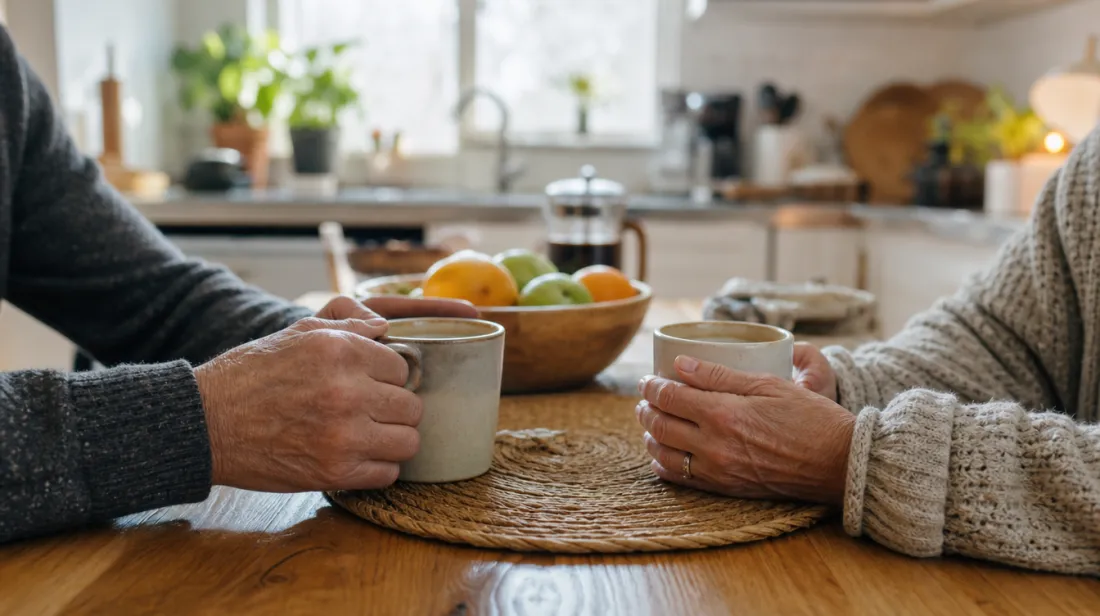
Every long marriage has its own rhythm, but ask couples who have been together for decades what actually keeps things steady, and you will hear the same small habits again and again. None of them are grand gestures. They are tiny, repeated things that add up over years without either person really noticing them happen.
You do not need a couples retreat or a big talk to start. You just need to notice what you are already doing, and maybe add one or two of these in. Most of the couples who describe their marriage as genuinely happy are not doing anything dramatic. They are just consistent about a few small things.
It helps to think of these less as rules and more as habits you build the same way you build any other routine, slowly and without much fanfare.
1. Say Goodbye and Hello on Purpose
A quick kiss or a real "see you later" when one of you leaves the house sounds small, but it marks the moment. The same goes for greeting each other when you walk back in the door, even if you are both tired.
Skipping this does not ruin a marriage. But doing it, day after day, keeps you checking in with each other instead of just coexisting in the same house.
Couples who have been together thirty or forty years often say this is one of the first habits that slipped when things got rocky, and one of the first they brought back when things improved.
Tip: Put your phone down for the ten seconds it takes to say hello properly.
2. Keep a Running List of Small Wins
Couples who stay close tend to mention the good things out loud, not just the problems. A meal that turned out well, a bill that got paid early, a joke one of you made in the car.
This is not about forced positivity. It is about making sure the good moments get noticed instead of sliding by unmentioned while only the complaints get airtime.
Some couples keep this literal, jotting a line in a shared notebook on the kitchen counter. Others just make a habit of saying it out loud at dinner. Either way, the point is the same: good things get named, not just assumed.
3. Argue About the Actual Thing
Long-married couples often get better at naming what is really bothering them instead of circling it. If the dishes are the real fight, it is about the dishes and not a decade of old grievances dragged back in.
This takes practice. Try naming the specific thing that is bothering you in one sentence before you start talking, rather than letting the conversation wander into old territory.
It also helps to ask yourself whether you are actually upset about tonight's dishes, or about a pattern you have not brought up directly. If it is the pattern, that deserves its own separate conversation, not one buried inside tonight's argument.
Tip: "I'm annoyed the dishes sat out overnight" lands very differently than "you never help around here."
4. Protect One Ritual That Is Just Yours Two
It might be a Sunday morning walk, a specific show you watch together, or coffee on the porch before anyone else is up. The exact ritual matters less than the fact that it belongs to the two of you and nobody else.
Life gets busy and rituals like this are often the first thing to slip. Guarding even one keeps a small, steady connection running under everything else, even during stretches when you are both stressed or distracted.
If your old ritual has faded, it is worth reviving rather than replacing. Couples often find that going back to something familiar feels easier than starting a brand new tradition from scratch.
5. Say Thank You for the Ordinary Stuff
Thanking your spouse for making dinner or taking out the trash might feel unnecessary after thirty years together. It is not. Feeling noticed, even for routine tasks, matters at any stage of a marriage.
Tip: A simple "thanks for handling that" out loud goes further than you would think.
6. Touch Base Before Big Decisions, Even Small Ones
Couples who stay in sync tend to check in before committing to plans, even minor ones, rather than announcing decisions after the fact. It is less about needing permission and more about staying a team.
A quick text saying "thinking of saying yes to this, what do you think" keeps both of you in the loop, even for something as small as agreeing to host a family dinner.
This habit tends to matter more as life gets more complicated, with grown kids, grandkids, and health decisions all pulling at a couple's calendar and attention at once.
7. Let Some Things Go Without Keeping Score
Every marriage has one partner who is messier, one who runs later, one who forgets things more often. Couples who last tend to accept these quirks instead of treating every instance as new evidence in an ongoing case.
This does not mean ignoring real problems. It means not turning every small habit into a referendum on the whole relationship, or a new entry in a list you are quietly keeping.
A useful question to ask yourself is whether the thing bothering you today is actually new, or whether it is something you decided decades ago to live with. If you already decided to live with it, that decision still counts.
The Bottom Line
None of these habits are complicated, and that is the point. Long marriages are usually built less on big romantic moments and more on the small, repeated things that say "I still notice you" over years and years.
Pick one from this list that you are not already doing and try it this week. You will likely find it easier to keep going than you expected, since none of these require your spouse to change first.
Start with whichever one feels the most natural to you, not the one that feels the most urgent. Small habits stick best when they do not feel like homework.